

Acute Stroke
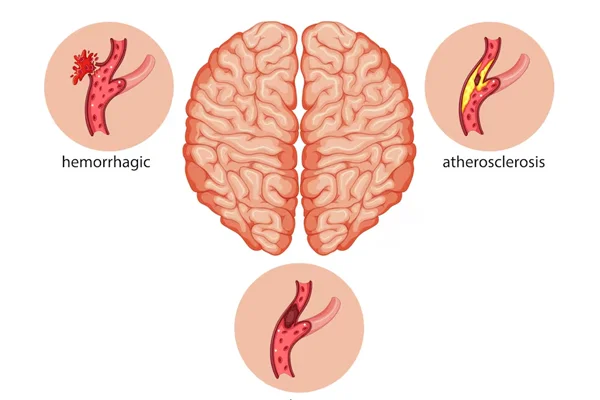
Acute stroke is a serious medical emergency that occurs when the blood supply to a part of the brain is suddenly interrupted or reduced, leading to damage of brain cells within minutes. Immediate medical attention is extremely important because early diagnosis and rapid treatment can significantly reduce brain damage, disability, and life-threatening complications.
Dr. Vivek Barun provides expert evaluation, emergency neurological care, and comprehensive stroke management for patients suffering from acute stroke. With advanced expertise in stroke diagnosis, neuroimaging interpretation, and neurological rehabilitation, Dr. Vivek Barun focuses on timely intervention and personalized treatment to improve recovery outcomes and restore neurological function.
At Artemis Hospital, patients receive advanced stroke care with rapid diagnosis, emergency neurological support, modern imaging facilities, and long-term rehabilitation services.
What Is Acute Stroke?
Acute stroke occurs when the brain suddenly loses blood supply due to either blockage of an artery or bleeding inside the brain. Since brain cells require a constant supply of oxygen and nutrients, interruption of blood flow can quickly cause permanent brain damage if not treated immediately.
Stroke is considered a neurological emergency because “time is brain,” meaning every minute of delay can increase the risk of irreversible brain injury and long-term disability.
Types of Stroke
Ischemic Stroke
Ischemic stroke is the most common type of stroke and occurs when a blood clot blocks an artery supplying blood to the brain.
Causes Include:
- Blood clots
- Narrowed blood vessels
- Cholesterol plaque buildup
- Heart-related disorders
Hemorrhagic Stroke
Hemorrhagic stroke occurs when a blood vessel in the brain ruptures and causes bleeding inside or around the brain.
Common Causes:
- High blood pressure
- Brain aneurysm
- Head injury
- Abnormal blood vessels
Transient Ischemic Attack (TIA)
Often called a “mini-stroke,” TIA causes temporary blockage of blood flow to the brain. Symptoms usually resolve within a short period, but it acts as an important warning sign for future stroke risk.
Causes & Risk Factors of Acute Stroke
Several medical and lifestyle factors can increase the risk of stroke.
Common Risk Factors:
- High blood pressure
- Diabetes
- High cholesterol
- Smoking
- Obesity
- Heart disease
- Irregular heartbeat (Atrial fibrillation)
- Lack of physical activity
- Excessive alcohol consumption
- Family history of stroke
- Stress and unhealthy lifestyle
Controlling these risk factors plays an important role in stroke prevention.
Symptoms of Acute Stroke
Stroke symptoms usually appear suddenly and require immediate medical attention.
Common Warning Signs Include:
- Sudden weakness or numbness on one side of the body
- Facial drooping
- Difficulty speaking or understanding speech
- Sudden vision loss or blurred vision
- Severe headache
- Dizziness or loss of balance
- Difficulty walking
- Confusion or altered consciousness
- Sudden coordination problems
FAST Stroke Warning Signs:
- F – Face drooping
- A – Arm weakness
- S – Speech difficulty
- T – Time to seek emergency treatment
Immediate neurological evaluation can save brain function and reduce disability.
Advanced Diagnosis of Acute Stroke
Rapid and accurate diagnosis is essential for emergency stroke management.
Diagnostic Evaluation Includes:
- Detailed neurological examination
- Emergency CT Brain Scan
- MRI Brain Scan
- Blood investigations
- Vascular imaging studies
- Cardiac evaluation
- Stroke risk assessment
- Neuroimaging interpretation
Dr. Vivek Barun carefully evaluates stroke severity, brain involvement, and underlying causes to initiate timely treatment.
Treatment for Acute Stroke
Stroke treatment depends on the type, severity, and time of symptom onset.
Emergency Stroke Care
Immediate medical stabilization and neurological monitoring are provided to prevent further brain injury.
Clot-Busting Therapy
In selected ischemic stroke cases, emergency clot-dissolving medications may help restore blood flow if given within the appropriate time window.
Blood Pressure & Risk Factor Management
Careful control of blood pressure, blood sugar, and cholesterol is essential during stroke treatment.
Rehabilitation & Recovery
Stroke rehabilitation helps improve mobility, speech, strength, coordination, and independence.
Rehabilitation May Include:
- Physical therapy
- Occupational therapy
- Speech therapy
- Cognitive rehabilitation
- Balance training
Long-Term Stroke Prevention
Patients receive guidance regarding:
- Lifestyle changes
- Stroke prevention medications
- Smoking cessation
- Diet and exercise plans
- Regular neurological follow-up
Why Choose Dr. Vivek Barun for Stroke Care?
- Expertise in acute stroke diagnosis and treatment
- Advanced neurological evaluation and neuroimaging interpretation
- Comprehensive stroke rehabilitation support
- Internationally trained neurologist
- Personalized treatment and long-term stroke prevention plans
- Evidence-based neurological care
- Compassionate and patient-focused approach
- Management of complex neurological emergencies
Dr. Vivek Barun focuses on rapid stroke intervention, neurological recovery, and prevention of future stroke complications.
Benefits of Early Stroke Treatment
Early medical treatment can significantly improve stroke outcomes and reduce complications.
Benefits Include:
- Reduced brain damage
- Better recovery of speech and movement
- Reduced disability risk
- Improved mobility and independence
- Faster rehabilitation outcomes
- Lower risk of recurrent stroke
- Better long-term neurological health
- Improved quality of life
Stroke Prevention Tips
- Control blood pressure regularly
- Maintain healthy blood sugar levels
- Follow a balanced diet
- Exercise regularly
- Avoid smoking and tobacco use
- Limit alcohol consumption
- Manage cholesterol levels
- Reduce stress
- Attend regular health checkups
- Take prescribed medications regularly
Conclusion
Acute stroke is a life-threatening neurological emergency that requires immediate diagnosis and specialized treatment to prevent severe complications and permanent disability. With advanced expertise in stroke care and neurological rehabilitation, Dr. Vivek Barun provides comprehensive stroke evaluation, emergency management, rehabilitation, and long-term neurological care.
His patient-centered approach, accurate diagnosis, and evidence-based treatment strategies help patients achieve improved recovery, better neurological function, and enhanced quality of life after stroke.


